Leash Pulling Isn’t Stubbornness — It’s Training
Leash Pulling Isn’t Stubbornness — It’s Training
Are you tired of being dragged down the street by your dog?
Pulling toward people. Pulling toward other dogs. Pulling toward smells, mailboxes, and anything else that catches their attention.
Most owners assume leash pulling is a dog problem.
It usually isn’t.
Leash pulling is almost always a training problem — and more specifically, a reward problem.
Your Dog Is Doing What Works
Here’s the hard truth most people never hear:
If your dog pulls on the leash and still gets to where they want to go, pulling works.
Dogs don’t pull because they’re stubborn or dominant. They pull because:
• it moves them forward
• it gets them to people, dogs, and smells faster
• it has worked every single time so far
Whether you meant to or not, you may have taught your dog that pulling is the quickest way to drag the human to the good stuff.
What You Reward Is What You Get
Dogs repeat behaviors that pay off.
If pulling:
• gets them closer to another dog
• gets them closer to a person
• gets them to the next smell
Then pulling becomes the default behavior.
On the flip side, if not pulling is what gets rewarded — movement, access, praise, or food — that’s the behavior that starts to stick.
This isn’t about correcting your dog. It’s about teaching them which choice actually works.
Start Where Learning Actually Happens
Leash skills don’t start on busy sidewalks or crowded parks.
They start:
• in your home
• in your driveway
• in quiet, low-distraction environments
That’s where dogs learn how to walk before being asked to walk politely past distractions they aren’t ready for.
Jumping straight into high-distraction walks without a foundation is like throwing someone into traffic and hoping they figure it out.
Why Walks Fall Apart Outside
Many dogs “know” how to walk nicely — until they leave the house.
That’s because outside, the environment itself becomes the paycheck.
Until your dog learns that staying with you is more rewarding than pulling toward the environment, leash pulling will keep happening.
Tools Don’t Fix Training Problems
Special collars, harnesses, or gadgets may reduce pulling temporarily, but they don’t teach dogs why walking politely matters.
Without teaching:
• what behavior you want
• when it pays
• how to earn access to the environment
The pulling usually comes back.
A Better Way Forward
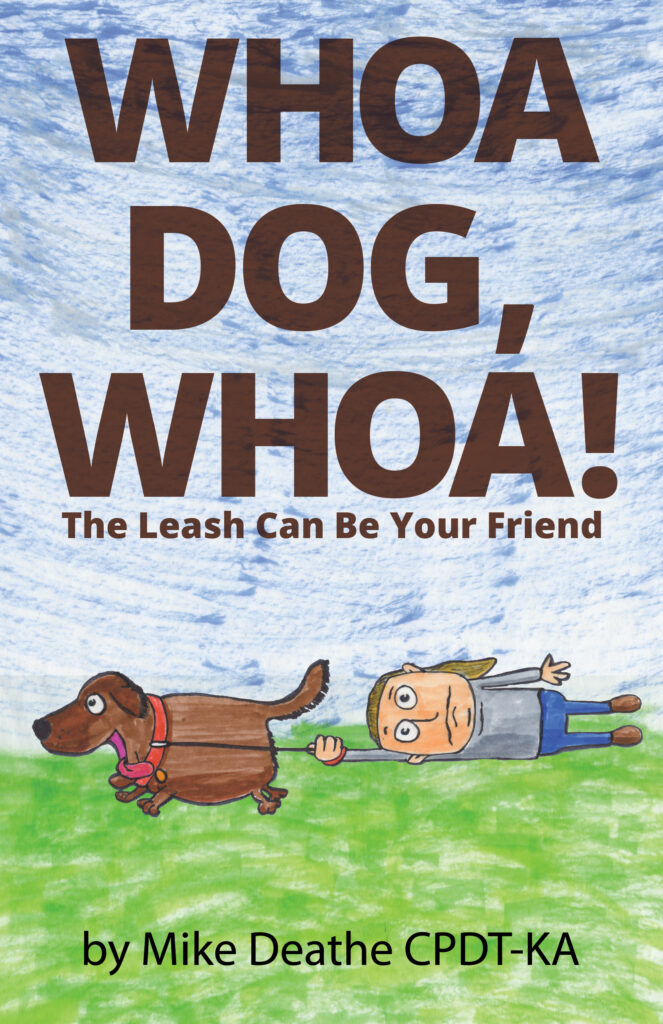
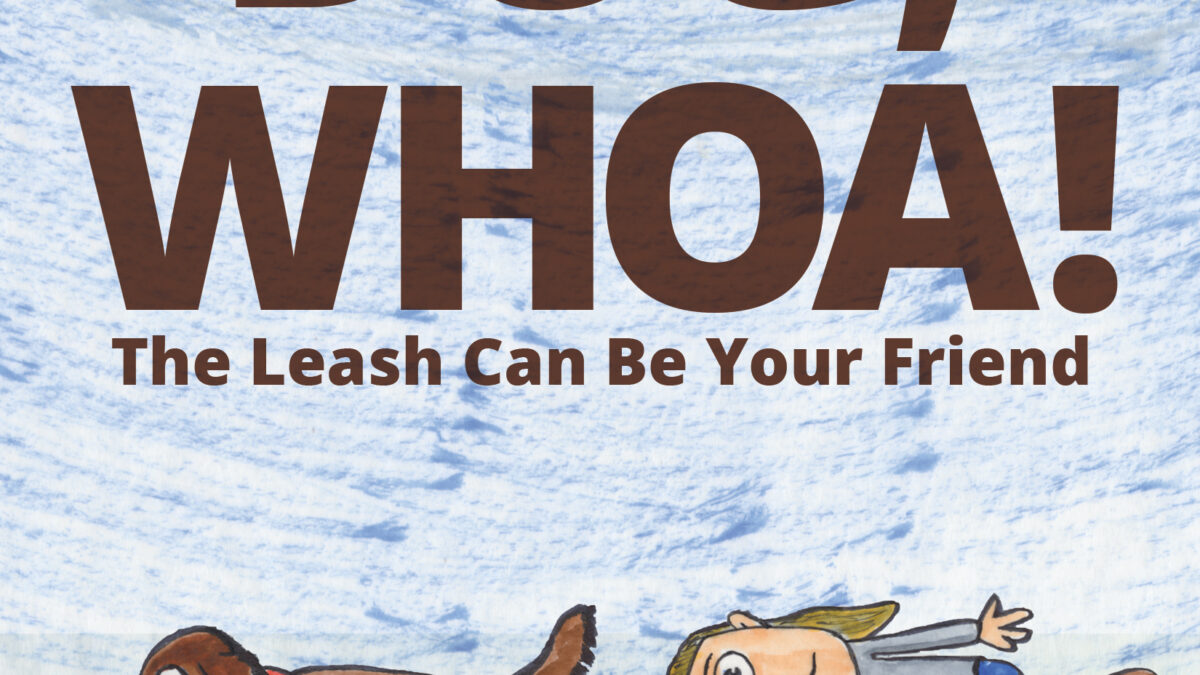
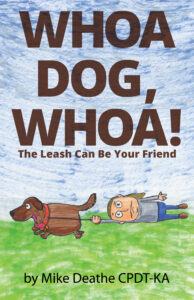
I also walk through this exact process step by step in my book Whoa, Dog, Whoa by Mike Deathe, where I break down how dogs learn leash skills and how to reset pulling without relying on force or gimmicks.
If You Need Hands-On Help
If walks have turned into daily frustration, you’re not alone — and you’re not failing your dog.
Leash pulling is one of the most common issues dog owners struggle with, and it’s also one of the most fixable when approached the right way.
If you’re done guessing and want real-world help that fits your dog and your home, the easiest next step is to reach out and start the conversation.
Walking your dog shouldn’t feel like a battle.
It should feel like teamwork.