 Does Your Dog Love a Little Too Much? Why Jumping (and Pulling) Happens — and How to Fix It
Does your dog love a little too much?
Jumping on you when you walk through the door.
Jumping on guests.
Jumping on complete strangers like they’re long-lost friends.
Dragging you down the sidewalk because everything outside is more interesting than you are.
Most owners describe this as “friendly” or “excited.” And while the motivation may be positive, the behavior itself usually isn’t sustainable in the real world.
The good news is that these behaviors aren’t signs of a bad dog. They’re signs of unclear routines and misplaced reinforcement.
Why Dogs Jump and Pull in the First Place
Dogs repeat behaviors that work.
Jumping works because it gets:
-
attention
-
eye contact
-
touch
-
talking and engagement
Pulling works for the same reason. The dog moves forward. The environment opens up. The leash tightens, but the dog still gets where they want to go.
Even negative reactions — “No,” “Off,” leash pops, verbal corrections — still involve engagement. From the dog’s perspective, the behavior produced a result.
Most owners wait for the mistake and then react. By that point, the dog has already been rewarded.
The Problem With Focusing on Punishment
Waiting for a dog to jump or pull and then correcting them puts you permanently behind the behavior.
The dog isn’t learning what to do — they’re learning what happens after they’ve already made a choice.
That’s why punishment-heavy approaches often feel exhausting:
-
you’re always reacting
-
the dog is always guessing
-
progress feels inconsistent
Correction alone doesn’t create clarity. It creates confusion and frustration.
What Actually Changes Behavior
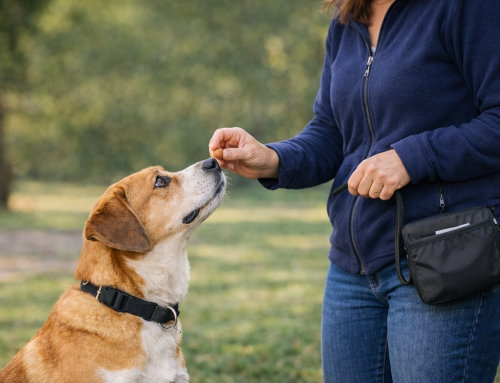
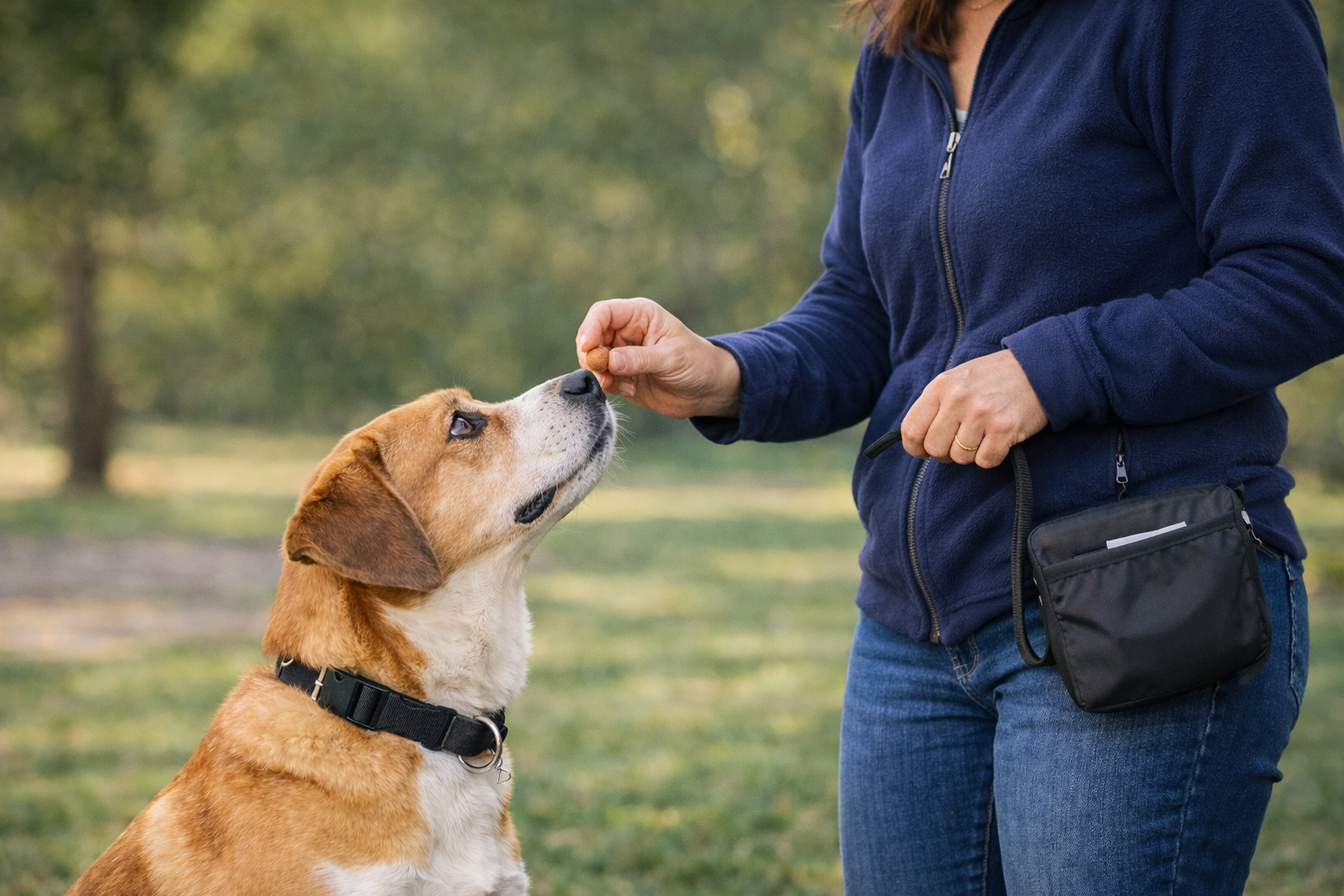
The dogs that improve the fastest are the ones that learn what behavior pays.
That means:
-
rewarding attention
-
rewarding calm choices
-
rewarding staying grounded
-
rewarding slack-leash walking
When paying attention to you becomes more valuable than jumping or pulling, the unwanted behaviors stop making sense to the dog.
This isn’t permissive training.
It’s strategic reinforcement.
You don’t wait for the dog to mess up — you reward the behavior you want before things fall apart.
Yes, This Requires Practice
There’s no shortcut around this part.
Dogs don’t change behavior because we explain rules. They change behavior because we practice the right repetitions consistently.
That practice usually includes:
-
structured greetings
-
planned walking routines
-
rewarding attention early
-
setting the dog up to succeed instead of fail
Quick fixes rarely last because they don’t change the dog’s decision-making process.
Where the Book Comes In
If you’re dealing with jumping, pulling, or general over-excitement, this is exactly what my book focuses on.
Downward Dog is a simple, quick read (or listen) designed to help you put the right routines in place so you can reward your dog for what you actually want — paying attention, staying grounded, and walking with you — instead of focusing on how to punish a dog out of a behavior.
The emphasis is on:
-
clarity over correction
-
routines over reactions
-
rewarding what you want instead of waiting for mistakes
There’s a reason the business is called Keep It Simple, Stupid.
When expectations are clear and rewards are consistent, dogs learn faster and stress drops for everyone involved.
The book walks you through that process step by step, with practical homework you can actually follow. It’s available in formats you can read or listen to:
https://www.amazon.com/Downward-Dog-Mike-CPDT-KA-Deathe/dp/1499902662/ref=cm_cr_arp_d_product_top?ie=UTF8#averageCustomerReviewsAnchor
Looking for Help With Jumping or Pulling in Kansas City?
Reading about behavior is helpful. Applying it correctly is what actually changes things.
If you’re dealing with a dog that jumps on people, pulls on walks, or struggles to focus around distractions, working with a professional can make the process clearer — and much faster.
As a Kansas City dog trainer, I work with dogs and owners on:
-
jumping on people
-
leash pulling and chaotic walks
-
over-arousal and impulse control
-
building calm, reliable daily routines
Training focuses on rewarding the behaviors you want, setting clear structure, and helping dogs make better choices — without relying on punishment-heavy methods.
If you’re in the Kansas City area and want help putting these concepts into practice, you can learn more about my in-home training programs here:
https://kissdogtraining.com/dog-trainer-kansas-city/
The Big Takeaway
Jumping and pulling aren’t love problems.
They’re clarity problems.
When dogs are consistently rewarded for the behaviors you want, the behaviors you don’t want lose their value on their own.
The solution isn’t less affection.
It’s better communication, better timing, and simpler routines.



Leave A Comment
You must be logged in to post a comment.